
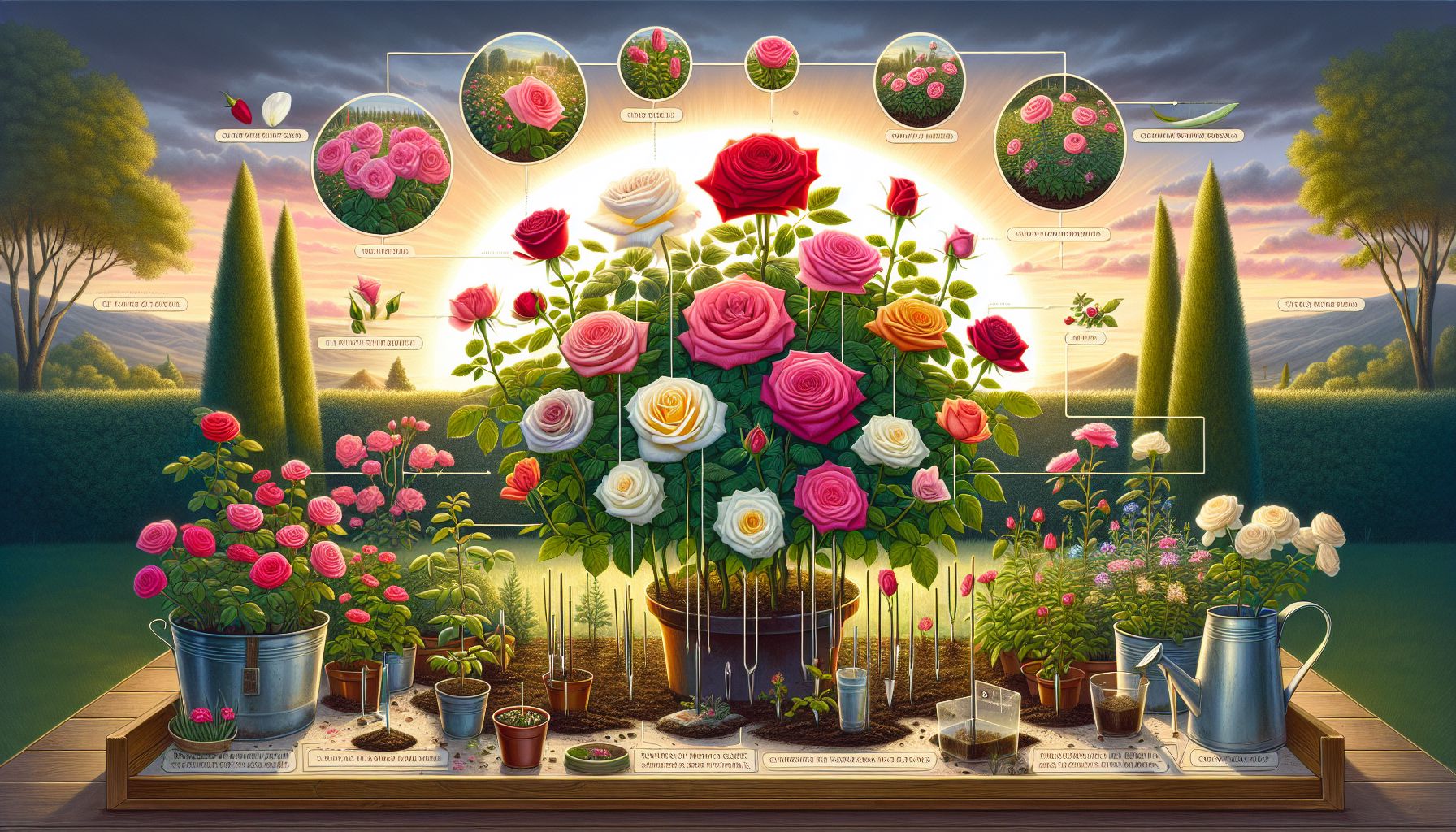
Roses are often thought of as the most quintessential flower. With their classic beauty and romantic associations, it’s no wonder that roses have captured the hearts of gardeners and flower enthusiasts alike for centuries. Whether you’re a seasoned gardener or a novice with a green thumb, growing roses can be a rewarding and fulfilling experience. In this guide, we’ll explore the world of roses and provide you with all the tips and tricks you need to grow the perfect flower.
The History of Roses
Roses have been cultivated by humans for thousands of years. They have been used for their beauty, fragrance, and medicinal properties. In ancient times, roses were considered a symbol of secrecy and confidentiality, and were often associated with the goddess of love, Aphrodite. Over the centuries, roses have become a symbol of love and passion, making them a popular choice for romantic gestures such as Valentine’s Day and weddings.
Choosing the Right Roses
Before you start growing roses, it’s important to choose the right variety for your garden. With thousands of different types of roses to choose from, it can be overwhelming to decide which ones to plant. Hybrid tea roses are known for their large, showy blooms and long stems, making them perfect for cutting and displaying in a vase. Floribunda roses, on the other hand, are known for their clusters of smaller flowers, making them a great choice for a more informal garden.
Planting and Caring for Roses
Roses are relatively easy to grow, but they do require some care and attention to thrive. When planting roses, it’s important to choose a sunny spot with well-drained soil. Roses prefer slightly acidic soil, so be sure to test your soil and amend it if necessary. Water your roses regularly, but be careful not to overwater them, as this can lead to root rot. Fertilize your roses in the spring and summer to promote healthy growth and abundant blooms.
Dealing with Pests and Diseases
Unfortunately, roses are susceptible to a variety of pests and diseases. Aphids, thrips, and mites are common pests that can damage roses by feeding on the leaves and stems. To control these pests, you can use insecticidal soap or neem oil. Powdery mildew, black spot, and rust are common fungal diseases that can affect roses. To prevent these diseases, be sure to plant your roses in a sunny, well-ventilated spot and water them at the base to keep the leaves dry.
Pruning and Deadheading
Pruning and deadheading are important tasks when growing roses. Pruning helps to shape your roses and promote healthy growth, while deadheading encourages your roses to produce more blooms. When pruning, be sure to use sharp, clean pruning shears to make clean cuts at a 45-degree angle. Deadheading involves removing spent flowers to encourage new growth. Be sure to deadhead your roses regularly to keep them looking their best.
Enjoying Your Roses
After all your hard work, it’s time to sit back and enjoy the fruits of your labor. Whether you’re admiring your roses in the garden or cutting them to display in a vase, there’s nothing quite like the beauty and fragrance of a fresh bouquet of roses. Take the time to appreciate the simple pleasures that roses bring to your life, and remember to share the joy of roses with your friends and loved ones.
In conclusion, growing roses can be a rewarding and fulfilling experience. With the right care and attention, you can enjoy the beauty and fragrance of roses in your own garden. Whether you’re a seasoned gardener or a novice with a green thumb, there’s nothing quite like the simple pleasure of watching a rose bloom and knowing that you played a part in its growth. So go ahead, plant some roses and let their beauty brighten your days.